ℹ️ In collaboration with Fluidlife
This post is our own summary of the German-language article „Pendlermobilität: Warum Betriebe beim Pendeln zusammenarbeiten sollten" by Nadine Abou-Zid (Fluidlife blog, 11 September 2026). The original article and the full Expert Talk are available here.
About the Talk
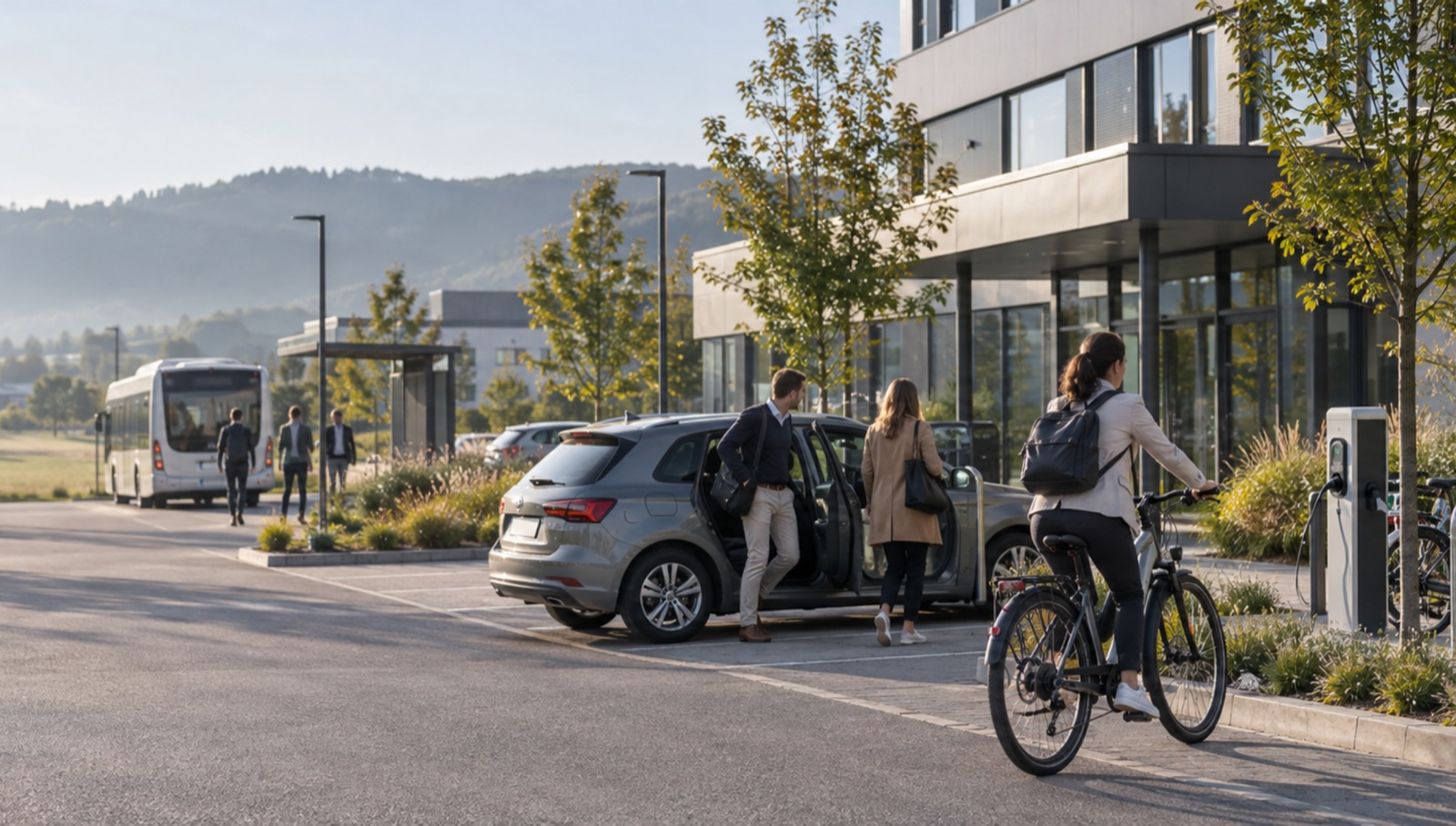
In Fluidlife's talk format, Michael Kieslinger and Richard Preißler discussed why the journey to work has taken on strategic importance for companies. Two observations set the scene: car parks are often the first resource to run out, and candidates now routinely raise accessibility during the hiring process.
The attitude Preißler draws from this is captured by his guiding principle:
"A good day starts with a good way to work."
Key points of the conversation
- Information before investment: Alternatives to the car usually already exist in rural areas – new bus connections or company leasing bikes, for example. They are simply too little known inside the company. Making existing options visible is the cheapest lever in commuter mobility.
- Offer instead of order: Because the commute is a private matter, rules and mandates fail. What works better: attractive options, managers who practise what they preach, and social signals in the team – such as carpools or shared challenges.
- Accessibility is not a soft topic: The talk cites concrete numbers – from salary cost savings through tax-privileged leasing bikes to fewer sick days among cycle commuters. Companies relying on the car alone increasingly lose young talent from their catchment area.
- Networks beat going solo: Shuttles, ride-sharing boards or charging infrastructure achieve far better utilisation when shared across companies. The model here is energy communities, and what drives progress are dedicated individuals who champion the topic.
In practice: the Retz Mobility Sprint
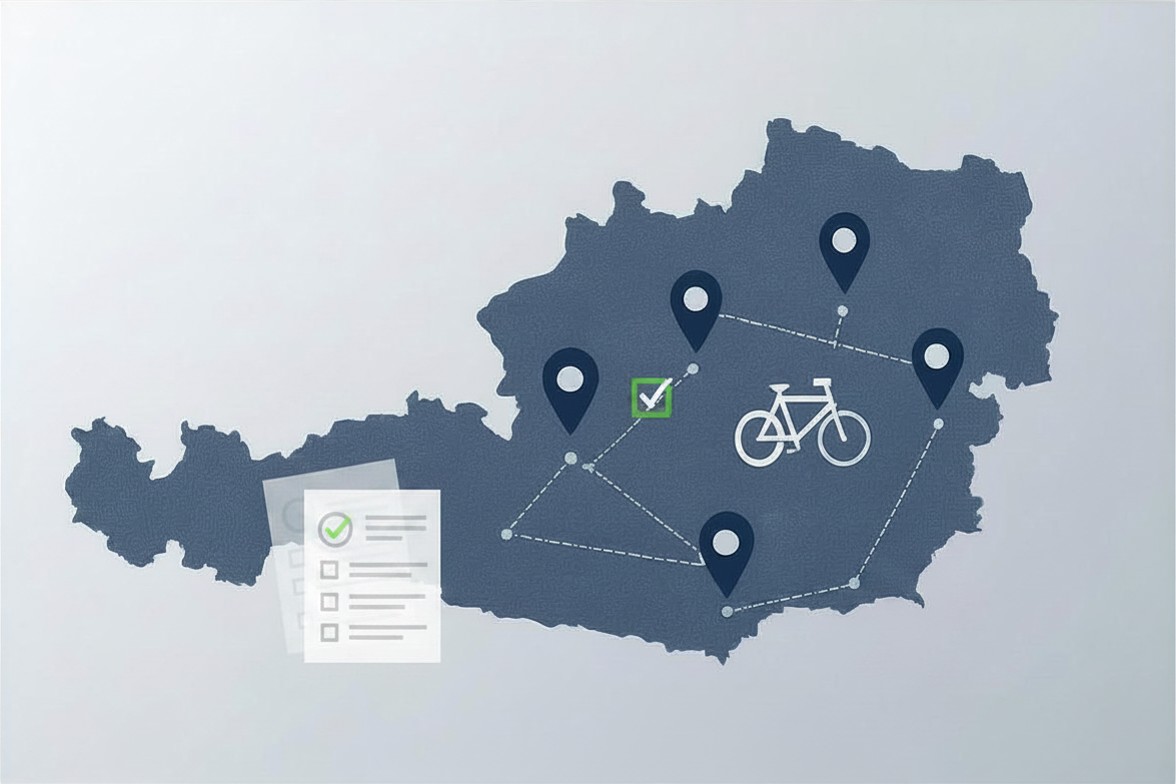
What such cross-company collaboration looks like in practice is shown by the Retz Mobility Sprint: companies in the KEM Retzer Land region survey their workforces' commuting behaviour together with foama, and each participant receives personal recommendations by email – no app, no GPS tracking.
What to take away
- HR: Include mobility options in onboarding, while routines are still forming.
- Mobility and facility leads: Survey and take stock first, spend on infrastructure second.
- Management: Manage accessibility actively as a site and cost factor.
- Municipalities and regions: Initiate alliances of companies, associations and public bodies.
Preißler's appeal: start small with allies rather than wait for the perfect solution.
To the original on the Fluidlife blog
The full line of argument, the figures and the recorded Expert Talk can be found in the original post on the Fluidlife blog (in German).
FluidLife Expert Talk: commuter mobility